The Evolution and Mechanics of the Modern Slot Machine: From Mechanical Reels to Digital Innovation
Introduction: The Ubiquity of the Slot Machine
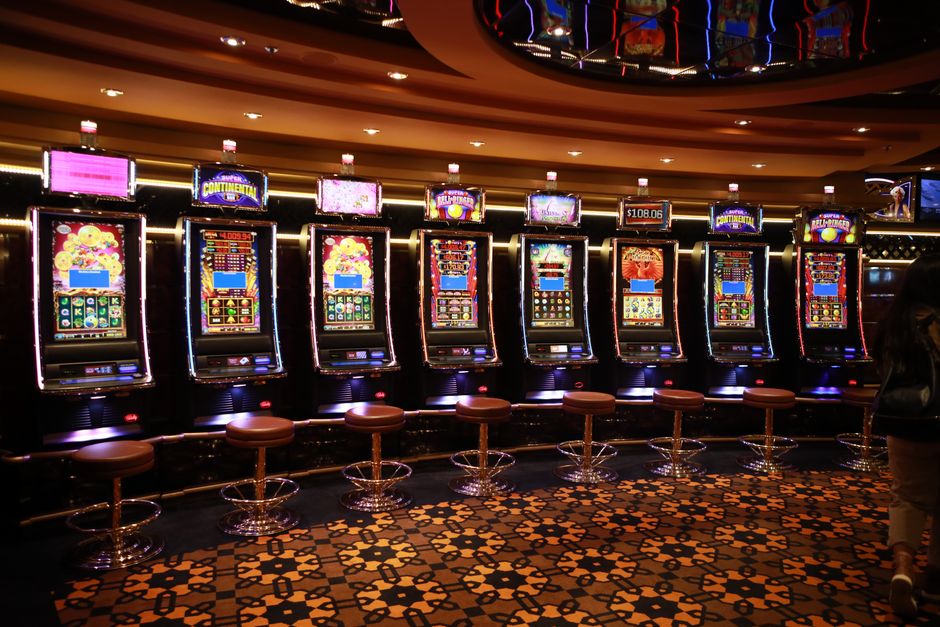
The slot machine stands as the most iconic and revenue-generating game in both land-based and online casinos. Its simple premise—spin the reels and match symbols—belies a complex technological evolution that has transformed gambling over the past century. From the Liberty Bell of 1895 to modern video slots with cinematic graphics, the slot has remained a mainstay of gaming floors due to its accessibility, potential for large payouts, and psychological engagement. Understanding the mechanics and history of slots offers valuable insight into casino operations, player behavior, and regulatory frameworks.
The Historical Genesis of Slots
The first mechanical slot machine, devised by Charles Fey in San Francisco, used three spinning reels with five symbols: horseshoes, diamonds, spades, hearts, and a Liberty Bell. A jackpot of fifty cents for three Liberty Bells gave the machine its name. These early machines operated purely on springs and gears, with no electrical components. Players pulled a lever to set the reels in motion, earning the nickname "one-armed bandit" due to the lever's shape and the machine's tendency to take money. By the 1960s, electro-mechanical slots emerged, allowing for more intricate paylines and automatic payouts. The 1970s introduced video slots with digital displays, and the 1990s saw the birth of online slots, which expanded the game's reach beyond physical casinos.
Core Mechanics: How a Slot Works
Modern slots, whether physical or digital, rely on a Random Number Generator (RNG)—a computer algorithm that continuously generates numbers even when the machine is idle. When a player presses the spin button, the RNG selects a random number for each reel, determining the final symbol positions. This ensures each spin is independent and unpredictable, a critical feature for fairness and regulatory compliance. The reels themselves are often virtual, displayed on a screen with simulated spinning animations. Paylines—the predetermined lines across the reels that yield winning combinations—have evolved from a single horizontal line to hundreds of ways to win, including cluster pays and cascading reels in modern video slots.
Return to Player (RTP) and Volatility
Two key metrics define a slot's gameplay profile: Return to Player (RTP) and volatility. RTP is a theoretical percentage of all wagered money that a slot will pay back to players over an extended period, typically ranging from 85% to 98%. For example, a slot with 96% RTP means that for every $100 wagered, the machine statistically returns $96, though individual sessions vary widely. Volatility (or variance) describes the risk level: low-volatility slots pay frequent but small wins, while high-volatility slots pay larger jackpots less frequently. Professional gamblers and analysts often study RTP and volatility to select machines that align with their bankroll strategies, though no strategy can overcome the house edge built into every game.
The Psychological Design of Slot Machines
Slots are engineered to maximize player engagement through a mix of sensory feedback and reward schedules. Near-miss events—where symbols align just short of a jackpot—trigger dopamine responses in the brain, encouraging continued play despite real losses. Visual and auditory cues, such as flashing lights and celebratory sounds, reinforce wins regardless of size. The concept of "loss disguised as a win" occurs when a payout is less than the original bet, yet the machine celebrates it with fanfare. Additionally, bonus rounds, free spins, and progressive jackpots create intermittent reinforcement, a psychological principle proven to increase retention. Casinos strategically place high-traffic slots near entrances and aisles to attract casual players.
Regulation and Fairness in the Slot Industry
Given the massive sums of money handled by slot machines, stringent regulation is essential. In the United States, each state with legal gambling has a gaming commission that tests and certifies slot RNGs and payout percentages. Independent laboratories like GLI (Gaming Laboratories International) audit software and hardware to ensure compliance with standards. Online slots face additional scrutiny through licensing bodies such as the Malta Gaming Authority and the UK Gambling Commission. These entities require operators to display RTP percentages, prohibit manipulative design features, and enforce responsible gambling tools like deposit limits and self-exclusion. Despite this, controversies persist around the addictiveness of high-volatility slots and the use of algorithm-driven psychological tricks.
Modern Innovations: Megaways, Skill-Based Slots, and VR
The latest evolution of the slot includes Megaways mechanics, where the number of symbols on each reel changes with every spin, producing hundreds of thousands of potential paylines. Skill-based slots incorporate elements of video games, allowing players to influence bonus rounds through target shooting or puzzles, appealing to younger demographics. Virtual Reality (VR) slots are an emerging frontier, offering immersive 3D environments where players can walk around a casino floor and interact with machines. These innovations aim to retain player interest in a saturated market, but they also raise questions about the line between gambling and entertainment. Moreover, the slot industry continues to dominate online casino revenue, accounting for over 70% of gross gaming revenue in many jurisdictions.
Conclusion: The Enduring Appeal of the Slot
From the simple mechanical lever to complex digital algorithms, the slot machine has adapted to technological and cultural shifts without losing its core appeal: the chance to win big with minimal effort. Its success lies in a perfect marriage of mathematics, psychology, and engineering. While critics point to its potential for harm, the industry argues that regulated slots provide entertainment and tax revenue. As artificial intelligence and blockchain technology advance, future slots may offer personalized gameplay and provably fair outcomes. For now, the humble slot remains a cornerstone of the global gambling industry, spinning endlessly in casinos and on screens around the world.